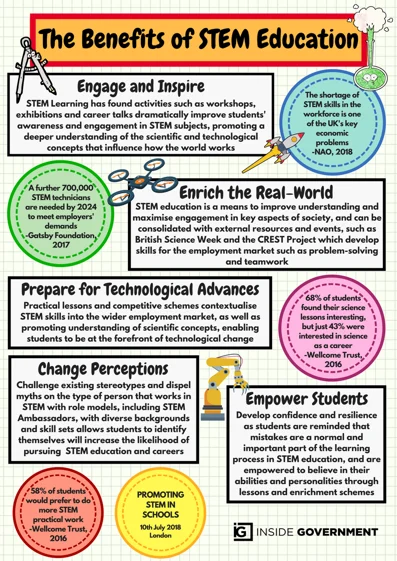
The integration of STEM (Science, Technology, Engineering, and Math) in education offers numerous benefits for students, including improved problem-solving skills, enhanced critical thinking, and increased creativity. STEM education also fosters a deeper understanding of the world and its complexities, preparing students for an increasingly technology-driven society. Additionally, STEM education can lead to improved academic performance, increased career opportunities, and higher earning potential, as well as a stronger foundation for lifelong learning and innovation. By incorporating STEM into the curriculum, educators can inspire students to become curious, analytical, and innovative thinkers, equipped to tackle the challenges of the 21st century.
Tags
#STEM
Topic
Authentic Assessment of STEM Learning
Resource
Resource link, image
Summary
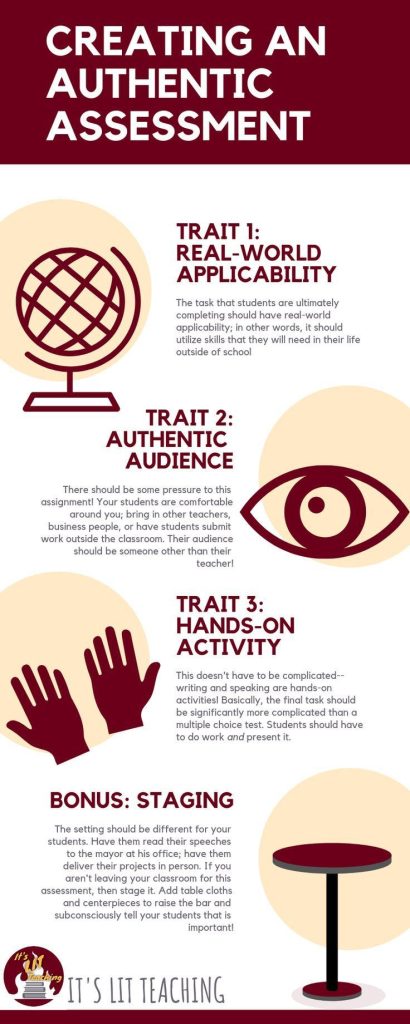
Authentic assessment in STEM education involves evaluating student learning through real-world, project-based, and performance-based tasks that mirror the complexities and challenges of the field. This approach moves beyond traditional multiple-choice tests and quizzes, instead requiring students to apply their knowledge and skills to solve problems, design solutions, and create products that demonstrate their understanding of STEM concepts. Authentic assessment provides a more accurate measure of student learning, as it evaluates their ability to think critically, collaborate, and communicate effectively, while also preparing them for the types of challenges they will face in their future careers.