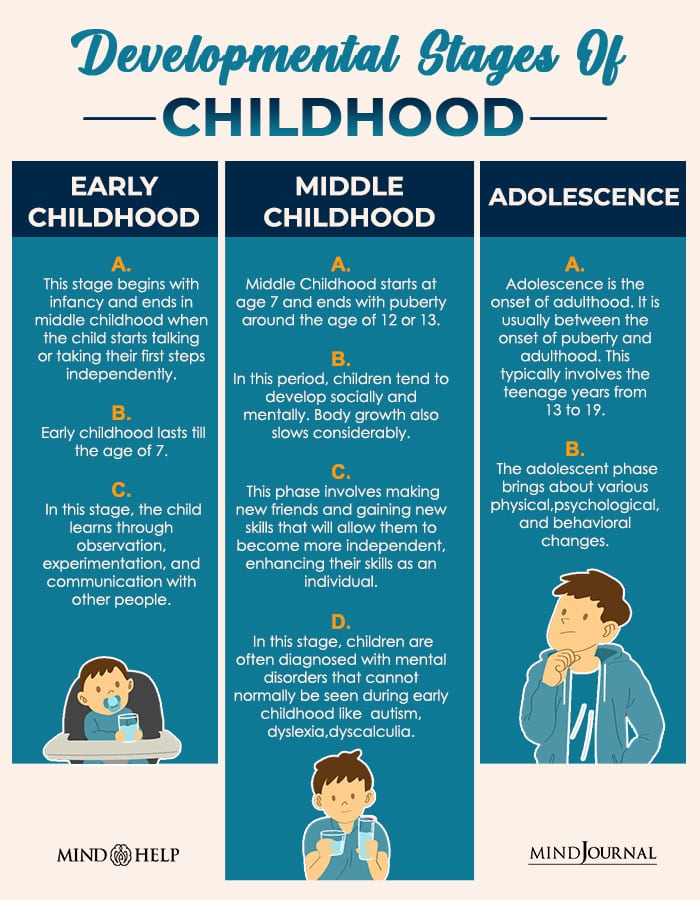
Human development unfolds in distinct stages, each marked by significant physical, cognitive, and social changes. Early childhood (ages 2-6) is characterized by rapid growth, exploration, and learning through play. As children enter middle childhood (ages 7-10), they refine their social skills, develop friendships, and begin to take on more responsibility. During this stage, they also experience significant cognitive growth, as they develop problem-solving skills and learn to think more logically. As they transition to adolescence (ages 11-14), young people undergo significant physical, emotional, and social changes, as they navigate identity formation, peer relationships, and increasing independence, laying the groundwork for the challenges and opportunities of young adulthood.
Tags
#Human Development
Topic
Understanding Children’s Emotions
Resource
Resource link, image
Summary
Understanding children’s emotions is a crucial developmental approach that recognizes the importance of emotional intelligence in shaping their social, emotional, and cognitive growth. By acknowledging and validating children’s feelings, caregivers and educators can help them develop self-awareness, self-regulation, and empathy. This approach encourages children to express and manage their emotions in a healthy way, building resilience and confidence. By teaching children to recognize, understand, and manage their emotions, adults can help them develop essential life skills, such as problem-solving, decision-making, and relationships, ultimately leading to better academic, social, and emotional outcomes.